
What Is The Sophomore Slump in The NHL
Oct 30, 2025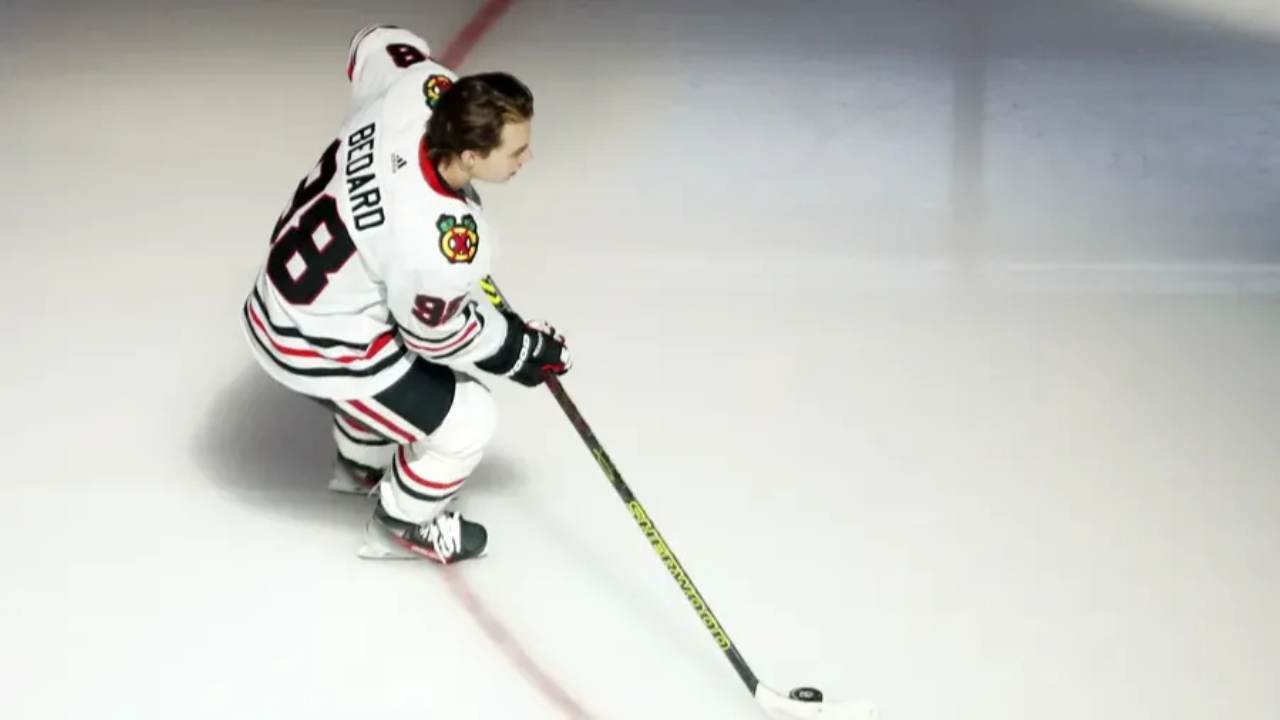
Introduction
In professional sports, the term sophomore slump refers to a player’s performance dipping in their second season after a strong rookie year. In the NHL, second-year players (“sophomores”) often face a unique set of challenges—both physical and psychological—that can hamper their progression. In this blog post, we’ll explore why the sophomore slump happens in the NHL, look at real-world examples, and dig into the psychological underpinnings that contribute to it.
What is the sophomore slump in the NHL?
The sophomore slump in the NHL occurs when a player posts significantly fewer points, worse advanced metrics, or visibly regresses in performance in their second full NHL season compared to their rookie year. While it’s by no means guaranteed, many analysts consider it a “thing” in the league.
Factors contributing to the slump often include:
-
Increased expectations from team, media and fans
-
Opponents adapting (scouting, targeting weaknesses)
-
Role changes (more minutes, tougher matchups)
-
Physical and mental fatigue from first season
-
Reduced margin for error
Examples from the NHL
Nathan MacKinnon

MacKinnon posted 63 points in 82 games in his rookie season. But in his sophomore year he managed only 38 points in 64 games. He admitted: “I didn’t play well and do the things out there I think I can.”
This is a classic example where the talent is unmistakable, but for whatever combination of circumstances the step-back occurs.
Tyler Myers

Myers, a defenseman with strong promise, saw his points drop from 48 in his rookie year to 37 in his second season. One reason brought up was his veteran defensive partner left, and suddenly his role and expectations changed.
Connor Bedard

Bedard won the Calder Trophy with strong rookie numbers, but in his sophomore season he saw a sharp drop: through 18 games he had 3 goals and 13 points, projecting far below his rookie pace.
This shows that even elite prospects aren’t immune.
The Psychological Side of the Sophomore Slump
Beyond physical adjustment and opponent adaptations, the mental and emotional side of the sophomore year can be just as impactful. Here are numerous psychological points to consider.
1. Heightened Expectations
After a strong rookie campaign, both the player and external parties expect more. That expectation can create pressure: the “you’ve proven you can do it, now do it again—and better” burden looms.
When the player starts to feel they must perform, rather than just can perform, stress increases.
2. Fear of Regression
Players may become overly cautious or hesitant if they sense their production is slipping. Instead of playing freely, a fearful mindset (“What if I can’t do it again?”) can reduce creativity and spontaneity.
A rookie break-out often comes with less pressure; in year two the margin for error shrinks.
3. Role and Identity Shift
In the rookie season, a player might be used in a more sheltered role (lower expectations, lighter minute load). In year two, the role often expands: more ice time, tougher assignments, more media attention.
This shift can force a player to adjust not only physically and tactically but mentally: how they see themselves, how they prepare, how they deal with failure.
4. Opponent Adjustments = Mental Toll
Opponents learn. They’ll target a player more, study tendencies, adjust tactics. When a player notices their output dropping as the league “figures them out,” it can breed self-doubt.
That doubt can lead to overthinking on ice, slower reactions, hesitation. The psyche becomes a limiting factor.
5. Loss of Margin for “Luck” and “Rookie Shine”
In year one, a player may have benefitted from a honeymoon phase: less targetting, surprise factor, fewer expectations. In year two, that may fade.
When things don’t go as smoothly, mental resilience is tested: how do you respond to a goal drought, fewer compliments, more criticism?
6. Physical and Emotional Fatigue
The rookie season can be exhausting: adapting to NHL speed, travel, routines, new environment. Year two brings its own: perhaps more minutes, more pressure, the memory of last year making you push harder.
Fatigue (mental and physical) can undermine confidence and decision-making. When tired, mistakes come more easily, and confidence wanes.
7. Confidence and Self-Narrative
If early season results are poor, the internal narrative becomes dangerous: “Am I just a one-year wonder?”, “Is everyone expecting too much?”
Confidence is fragile. A few bad games in succession can lead to the self-fulfilling prophecy: the tougher you expect it to be, the worse you play.
8. External Media & Fan Pressure
Media coverage of promising rookies is intense. Entering the sophomore year you may face more scrutiny (“Will he repeat? Will he bust?”).
Fans can be less patient too. That public pressure can leak into the locker room and personal life, increasing stress and reducing margin for error.
9. Comparison Trap
Players may compare themselves to their rookie year or to other players who had big second years. That comparison can distract.
Focus should be on process and growth—if the focus is on matching stats or hype, that can lead to misaligned behaviours (trying too hard, deviating from habits that got them there).
10. Adjustment in Emotions & Maturity
Rookies often play with a certain freedom: “I’ve arrived, nothing to lose.” In year two, there’s more to lose: reputation, contract value, peer status.
That shift in emotional stakes can make the game less fun and natural and more cerebral and anxious, which hampers performance.
Why Some Players Avoid or Bounce Back
It’s worth noting that the sophomore slump isn’t inevitable. Some players thrive in year two. Reasons include:
-
Having a stable supporting cast and consistent role.
-
Having strong psychological support (coaches, mentors, mental skills training).
-
Entering the league with less hype or lower expectations (so year two is still an improvement).
-
Maintaining an improvement mindset, focusing on process not just results.
-
Having physical readiness and avoiding injury/fatigue.
It is however important to note that not all Calder winners or strong rookies slump.
Practical Take-away: What Can Players/Teams Do?
-
Set process goals: Instead of “score X points” focus on “improve shot quality”, “better decisions under pressure”, “recovery habits”.
-
Maintain roles and consistency: Coaching staff should manage expectations, ice time, and help second-year players adapt.
-
Monitor fatigue: Both physical and mental. Recovery and mental health matter.
-
Encourage resilient mindset: Teach players that dips happen, that identity isn’t built on one season’s stats.
-
Support off-ice mental skills: Confidence, focus, handling pressure, dealing with external noise.
-
Communication: Clear role definitions, feedback loops, and realistic expectations can help ease the transition.
Conclusion
The sophomore slump in the NHL is not a myth—it happens, and often it’s rooted as much in psychology as in talent or physicality. As we saw through MacKinnon, Myers, Bedard and others, the drop from year one to year two can stem from pressures, role changes, fatigue, and mental stress more than just poor skill. For players, coaches and teams, awareness of the psychological side is critical. Understanding that “success one year” doesn’t guarantee “success the next” helps frame the second season as a new chapter—not just a repeat of the first.
Stay connected with news and updates!
Join our mailing list to receive the latest news and updates from our team.
Don't worry, your information will not be shared.
We hate SPAM. We will never sell your information, for any reason.