
Setting the Stage: The Road to Milano-Cortina 2026
Nov 19, 2025
As the 2026 Winter Olympics in Milano-Cortina draws near, the selection process for Team Canada (men’s hockey) is in full swing. According to the official site of Hockey Canada, the men’s roster for the 2026 Games will be determined via a comprehensive process: orientation camps, a narrowed–down list of prospects, and final selection of about 25 players.
Here’s the snapshot of how the process is structured:
-
Hockey Canada has invited a sizeable pool of players to orientation camp as they narrow the field.
-
According to GM Doug Armstrong, the list of serious prospects is now in the “high 30s or low 40s”.
-
The roster submission deadline (for each country) is December 31, 2025, so the decision-making timeline is fairly tight.
-
Importantly: NHL players will be eligible for the 2026 Games, after an agreement among the National Hockey League (NHL), the NHL Players’ Association (NHLPA), the International Ice Hockey Federation (IIHF) and the International Olympic Committee (IOC) was finalized.
Given that context, the fact that young stars such as Connor Bedard and Macklin Celebrini are already generating strong conversation about inclusion speaks volumes. (Armstrong specifically referenced their play when discussing prospects.)
Below, we explore key themes of the selection process, and the specific trade-offs around choosing youthful phenoms vs. veteran players.
The Selection Process: Criteria & Considerations
1. Skill and Performance
At its core, the team must be among the best Canada can ice — speed, offensive firepower, defensive reliability, goaltending consistency. The management group is watching players’ performances in the NHL (and other elite leagues) this season. For example, Bedard and Celebrini have both drawn notice for early-season point production.
2. Team Fit & Chemistry
Beyond raw talent, how players mesh together — both on and off the ice — matters. International hockey demands quick adaptation: bigger ice surface (in many cases), tournament format, less time to gel. Veteran players typically bring experience in high-pressure contexts (playoffs, international tournaments) and leadership.
3. Physical & Mental Readiness
Tournament hockey is unforgiving: travel, short‐turnaround games, high stakes. Players must be both physically prepared and mentally resilient. Younger players may have less exposure to that grind; veterans often bring the benefit of experience.
4. Long-Term vs Short-Term Goals
Canada wants to win gold in 2026, but also build towards future cycles (2030, 2034…). That means the selection committee may consider not just “right now” but the development of core players for the next decade. Selecting younger phenoms can be viewed as investing in that long-term pipeline. Conversely, veterans can maximize medal‐chance now.
5. Balancing Risk & Reward
Every roster spot is precious. Opting for a young player with enormous upside but less experience carries risk. Conversely, selecting a veteran who’s past their peak might reduce upside. The management group must balance those factors: current performance, trajectory, fit, and the value of experience.
Spotlight on Two Young Phenoms

Connor Bedard
-
Drafted No. 1 overall (2023) by the Chicago Blackhawks.
-
Early in the 2025–26 season, he’s tied for second in NHL scoring: 25 points in 16 games (nine goals, 16 assists).
-
Bedard is already on the radar for Team Canada’s Olympic roster thanks to his dynamic play and the way he’s asserted himself at a young age.
Macklin Celebrini
-
Drafted No. 1 overall (2024) by the San Jose Sharks.
-
At age 19, he has 24 points (10 goals, 14 assists) in 16 NHL games — fourth in league scoring as of that snapshot.
-
Very similar narrative: a generational talent, still young, but already making a strong NHL impact and generating Olympic discussions.
These two represent the “youth” side of the debate: ready to take on starring roles, energetic, and arguably the future of Canadian hockey. But selecting them for the Olympics now means asking some questions (which we’ll cover below).
The Veteran Factor
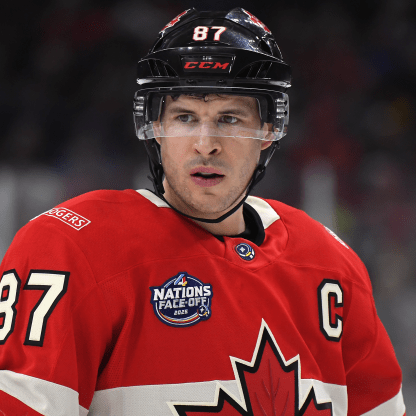
Veterans bring many intangible and tangible assets: leadership, experience in big games, mental toughness, sometimes even a calming presence under pressure. For instance:
-
When asked about what advantage Canada still carries, Hockey Canada senior vice-president Scott Salmond pointed to Sidney Crosby as an edge given his Olympic pedigree (2010, 2014 golds) and his leadership under fire.
-
A veteran player might bring “been-there-done-that” mentality: understanding tournament pace, handling off-ice distractions, adjusting to different rink sizes or officiating.
-
Mentorship: Younger players benefit from seasoned voices in the locker room who can guide them through highs and lows.
Thus, selecting veterans can be viewed as maximizing near-term medal chances and ensuring composure in a high-stakes tournament.
Pros & Cons: Young Phenoms vs Veteran Players
Advantages of selecting young phenoms
Pros:
-
Upside: Players like Bedard and Celebrini may provide game-changing impact, explosive offense and energy that can tilt games.
-
Speed and adaptability: Younger players may handle the pace, style changes and physical demands of tournament hockey well.
-
Long-term value: Integrating young stars helps build core for future Olympic cycles; they gain invaluable experience now.
-
Fan and media excitement: Bringing in generational talent energizes the fanbase and sets the tone for the team’s identity.
Cons:
-
Lack of big-game international experience: Although they perform well in the NHL, Olympic‐style tournaments bring different pressures, unfamiliar opponents, bigger ice (sometimes), and intense short-turnaround games.
-
Risk of consistency and readiness: A younger player might have spectacular moments but also moments where nerves or inexperience show up.
-
Chemistry concerns: Younger players may not yet have developed established synergy with the rest of the roster or familiarity with international style/team systems.
-
Opportunity cost: Selecting a young phenom means potentially leaving out a veteran who may bring steadiness and reliability.
Advantages of selecting veteran players
Pros:
-
Proven performance: These players often have long track records of success in the NHL and international tournaments.
-
Leadership & composure: They can keep the team grounded, handle media/pressure, and help steer younger teammates.
-
Situational awareness: Veterans tend to know how to manage tough minutes, protect leads, shut down opponents, contribute off‐puck.
-
Stability: In a short tournament, you often can’t afford growing pains — veterans may reduce volatility.
Cons:
-
Waning physical peak: Some veterans might be past their absolute prime in speed or explosiveness, which younger opponents may exploit.
-
Limited upside: While safe, veterans might not bring the “game‐breaker” edge that younger phenoms offer.
-
Future pipeline delay: Over-reliance on veterans may hinder integration of next-gen talent, creating a maturity gap down the line.
-
Motivation/engagement: Some veterans might have already experienced many highs; while they remain professional, maybe the hunger isn’t at the same level as younger players chasing their first big international medal.
What This Means for Team Canada’s 2026 Roster Strategy
Given all these factors, here are some strategic takeaways for Canada:
-
Hybrid roster approach is likely optimal. You don’t want to choose “all youth” or “all veterans”. A mix ensures both upside and stability.
-
Core veterans anchoring key roles, especially defense, goaltending and special teams, where experience often matters more than flash.
-
Young phenoms in dynamic roles — perhaps on scoring lines, power play units or injection roles — where their talent can shine and their inexperience is mitigated.
-
Gradual integration: Use tournaments like the 4 Nations Face‑Off (Canada is participating) as testing grounds for younger players to gain international experience.
-
Timing matters: If a phenom emerges late in the season and is playing dominant hockey, the selection committee must decide: do we reward that form or stick with the veteran who we know? (As Armstrong said, surprises can still happen into December and January.
-
Roster balance: With about 25 spots, every selection has ripple effects: positional balance (forwards, defensemen, goaltenders), special-teams capability, left/right handedness, depth, injury backup.
-
Contingency planning: Injuries happen. The selection group said they’ll keep players under consideration even after the roster is “in pencil”.
My Take: A Case for Bedard & Celebrini — and Caution
I lean toward the argument that including players like Bedard and Celebrini makes sense — perhaps more than ever for Canada in 2026. Here’s why:
-
Canada’s competition internationally is getting tougher: speed-game, skill game, younger rosters. Having explosive young talent helps match that trend.
-
The integration of phenoms now gives them invaluable experience for future cycles (2030, 2034) when Canada will still be major medal contenders.
-
From a fan and momentum perspective, the presence of Bedard and Celebrini adds energy, excitement and creates storyline that can galvanize the team.
However — some caution is warranted:
-
You don’t want to burden a 19- or 20-year-old with top-line minutes and expect them to carry defense‐special teams while still learning. The role must be appropriate.
-
The management must ensure the rest of the roster is robust enough to carry and support these younger players; placing too much risk on younger athletes could backfire in a single-elimination tournament.
-
It will be important that the phenoms are truly ready: not just in raw statistics, but in mental maturity, consistency and ability to handle international style.
In Conclusion
The selection process for Canada’s men’s hockey team at Milano-Cortina is a fascinating strategic balancing act. With NHL players in the mix, the talent pool is deep, the stakes are high, and every decision carries weight.
The juxtaposition between “selecting the future” and “relying on the tried & true” is real. Young stars like Connor Bedard and Macklin Celebrini bring speed, explosion and long-term value; veterans bring poise, experience and stability. The smart roster will harness the best of both worlds.
If Canada pulls it off — mixing veteran leadership with youthful dynamism — the team will not only be a medal contender in 2026 but set the stage for continued success beyond. It’s not just about winning the Games; it’s about sustaining excellence.
I’ll be watching closely as the roster takes shape in the coming months — with special interest in whether Bedard, Celebrini and other rising stars earn their spots, and how the veterans respond.
Would you like me to dive into specific candidate players (beyond those two) and their chances of making the roster?
Stay connected with news and updates!
Join our mailing list to receive the latest news and updates from our team.
Don't worry, your information will not be shared.
We hate SPAM. We will never sell your information, for any reason.