
A Culture Problem: The Toronto Maple Leafs
Mar 25, 2026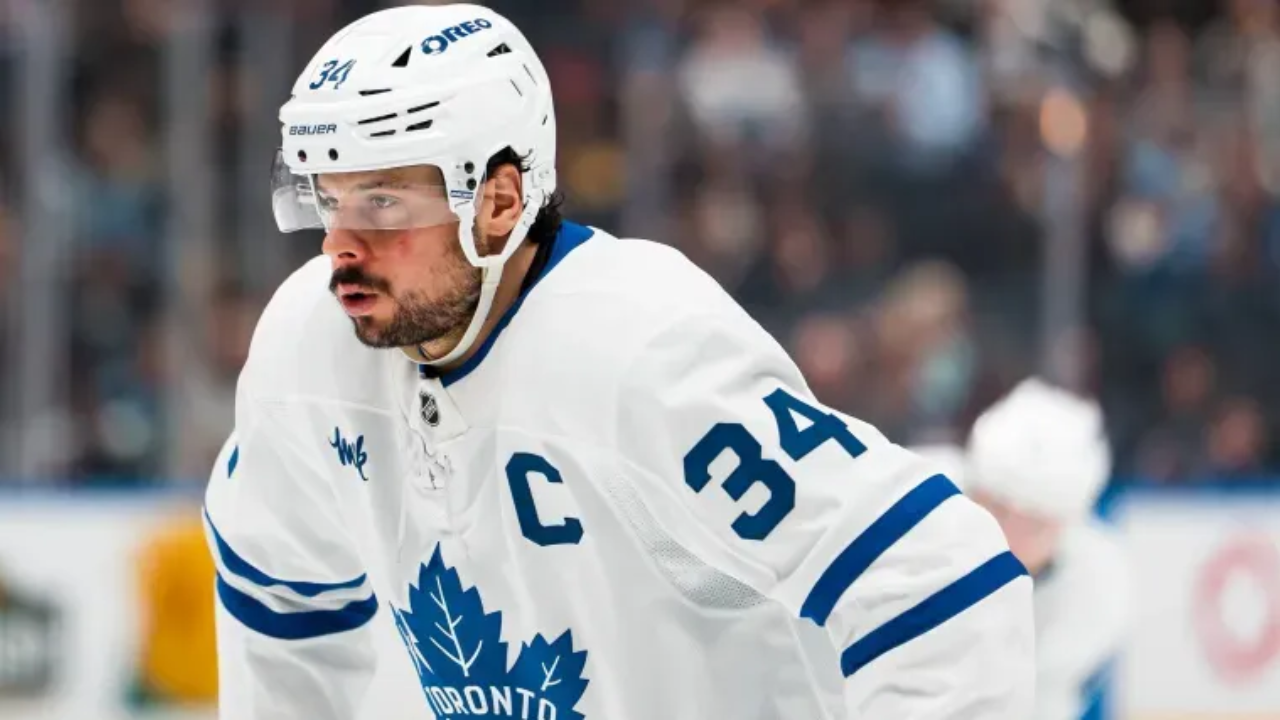
The moment Radko Gudas stepped into Auston Matthews with a blatant knee-on-knee hit, the reaction—or lack thereof—from the Toronto Maple Leafs said more than the collision itself.
In hockey, physicality is part of the game. Big hits happen. Borderline hits happen. But there’s an unwritten code that has existed for generations: when your star player gets targeted, someone responds. Not necessarily with reckless retaliation, but with presence, pushback, and a clear message—you don’t take liberties with our guy.
That message never came.
Instead, Matthews skated away, and the Leafs largely skated on. No immediate scrum. No escalation. No emotional spike that signals a team drawing a line in the sand. For a team with championship aspirations, that silence was deafening.
More Than Just One Moment
It’s easy to isolate this as a single incident, but moments like these tend to expose deeper truths. Teams with strong internal culture don’t need to think about responding—they react instinctively. It’s embedded in who they are.
When that instinct is missing, it raises uncomfortable questions:
-
Is there enough internal accountability?
-
Do players truly feel connected to one another?
-
And most importantly—does leadership set the tone?
Because culture isn’t built in speeches or media quotes. It’s built in moments like this.
The Leadership Question
Leadership in hockey is often misunderstood. It’s not just about who wears the “C” or who scores the most goals. It’s about who the room follows when things get uncomfortable.
Auston Matthews is one of the most gifted players in the world. His production, consistency, and elite skill are undeniable. But being the best player doesn’t automatically make you the emotional heartbeat of a team.
The best leaders lead by example in every dimension:
-
Compete level
-
Physical engagement
-
Emotional investment
-
Willingness to stand up—for themselves and their teammates
When your star player gets hit and there’s no response, it can suggest that the tone-setter—whether that’s Matthews or the broader leadership group—isn’t demanding that standard.
Respect Is Earned, Not Assigned
In any locker room, respect isn’t handed out based on contracts or accolades. It’s earned through actions—especially in high-pressure or confrontational moments.
Players rally around leaders who:
-
Show they’re willing to battle
-
Don’t shy away from conflict
-
Hold others accountable
If a team doesn’t respond when its franchise player is targeted, it may indicate that the internal hierarchy lacks that edge. Not fear—but edge. The kind that makes opponents think twice.
A Cultural Red Flag
The Leafs have long been scrutinized for their postseason shortcomings, often labeled as a team that lacks pushback when games tighten and physicality ramps up. Incidents like the Gudas hit only reinforce that narrative.
Because playoff hockey magnifies everything:
-
Every hit matters more
-
Every response carries weight
-
Every lapse in unity is exposed
If a team doesn’t respond in the regular season, it’s hard to expect a sudden identity shift in the playoffs.
The Bigger Picture
This isn’t about one missed scrum or one controversial hit. It’s about identity.
Championship teams have a clear one:
-
They protect each other
-
They play with purpose
-
They respond when challenged
Right now, the Toronto Maple Leafs are still searching for that consistency in who they are—not just as a skilled team, but as a connected one.
And until that identity is solidified, moments like the one involving Radko Gudas and Auston Matthews will continue to feel less like isolated incidents—and more like symptoms of a deeper issue.
Stay connected with news and updates!
Join our mailing list to receive the latest news and updates from our team.
Don't worry, your information will not be shared.
We hate SPAM. We will never sell your information, for any reason.